During my college journey, I discovered a course on digital history, which got my attention. In our class we read parts of the article “What is Digital History?” by Seefeldt and Thomas. We learned that digital history is a an expansive term for the numerous ways in which people today engage with and learn about history, utilizing modern technology. This includes many platforms, from interactive websites and documentaries to online databases and social media discussions. It involves the digitization of vast amounts of historical material, making it accessible to a global audience. Over the past several decades, historians have worked to digitize archives, ensuring that important resources are available online.
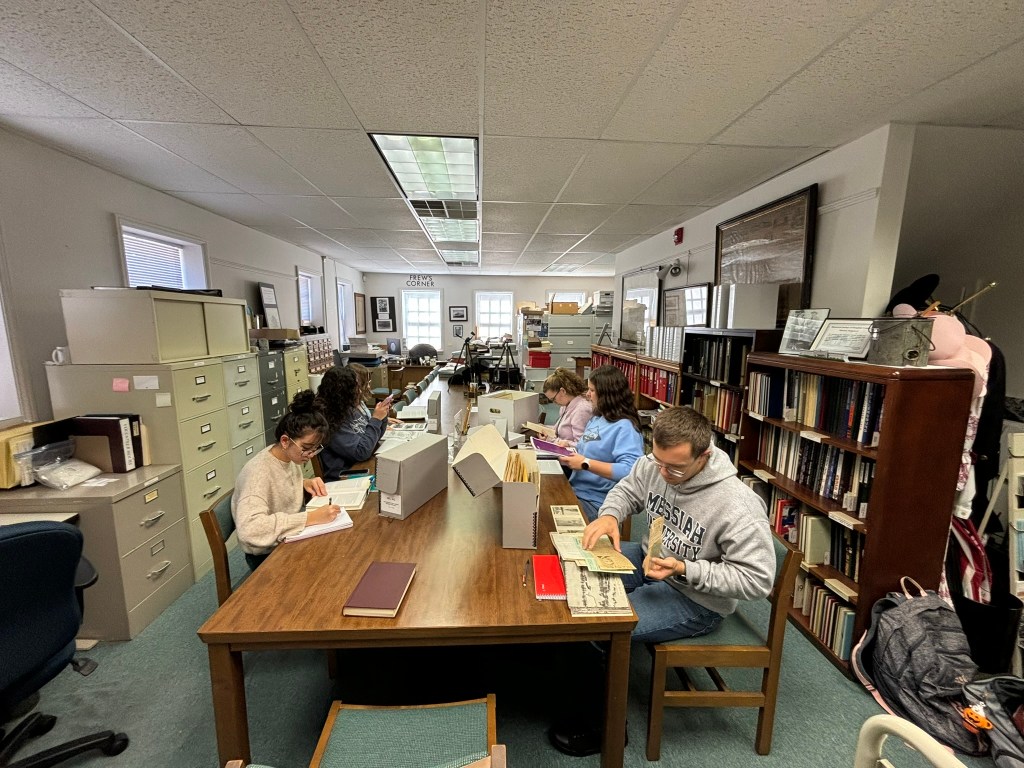
In our digital history class, we are exploring not only the significance of this field but also the technical skills necessary to digitize documents and images effectively. For our final project, we are researching a specific event or location in Harrisburg, Pennsylvania. We have visited both the Pennsylvania State Archives and the Dauphin County Archives to gather information. Our work includes practicing the digital preservation of the materials we found.
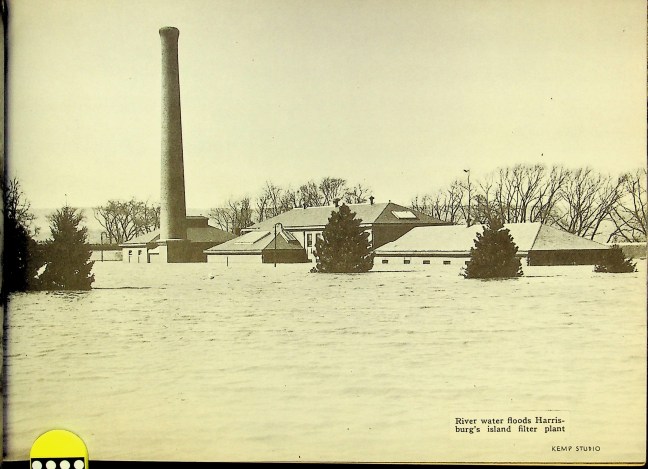
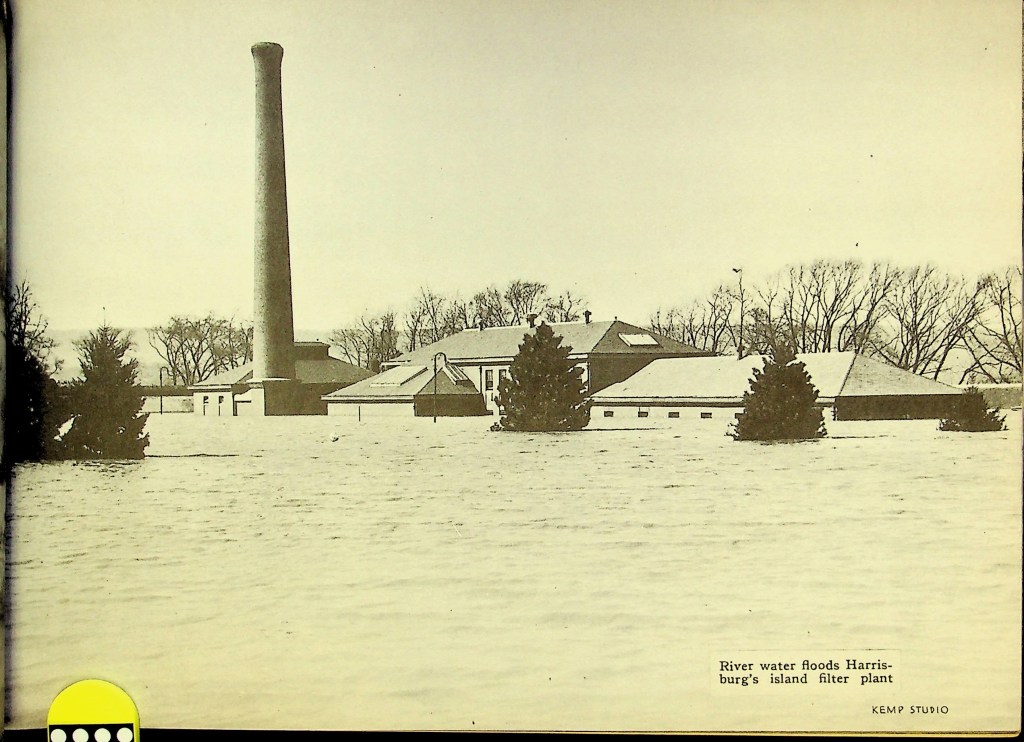
I decided to focus my research on the floods that have impacted Harrisburg over the years. This topic not only highlights the city’s rich history but also shows how the community has responded to and recovered from these terrible floods. Throughout my research, I discovered a wealth of photographs that capture the devastating effects of these floods on the city and its residents. These images provide a snapshot into the past, showing the scale of the flooding and its impact on the city.
In addition to the photographs, I uncovered numerous personal accounts from individuals who experienced these floods. These narratives offer unique perspectives, highlighting the resilience of the Harrisburg community in the face of tragedy. Hearing the stories of those who lived through the floods brings a human element to this historical project, allowing us to connect more deeply with the past.
Through this research, I aim to create a comprehensive understanding of how flooding has shaped Harrisburg over time. By combining pictures with personal stories, I hope to present these on a webpage so people can read about this and learn more about the local history of Harrisburg.
Quick look
1936 Flood
The 1936 flood in Harrisburg Pennsylvania, was caused by a combination of rapid snowmelt in early spring, and above average rainfall in March. These factors made the water in the Susquehanna river water level to rise. This overwhelmed the region’s flood control infrastructure. The resulting flood caused widespread damage to Harrisburg and other nearby communities, making it one of the most catastrophic floods in the city’s history.
1975 Flood
The 1975 flood in Harrisburg, Pennsylvania, was caused by heavy rainfall from Tropical Storm Eloise. This caused the Susquehanna River to over flow its banks leading to significant flooding in Harrisburg and other nearby communities. The floodwaters consumed downtown Harrisburg, damaging homes, businesses, and key infrastructure.
My name is Benjamin Andrasi, and I’m a history major at Messiah University. Ever since I was a child, I have been captivated by history, often exploring various historical sites with my family to learn about America’s rich past. As I grew older, my fascination with World War II history deepened, leading me to study it more in depth. This passion eventually inspired me to become a reenactor, allowing me to engage with the public and share history in an interactive way.
 Digital Harrisburg