Editor’s note: This is the fourth in a series of posts of the Center for Public Humanities at Messiah University that highlights the voices of activists, educators, and community leaders in the Harrisburg area who are advancing civil rights and preserving history. The series, titled “The Lenwood Sloan Impact,” is named in honor of the late visionary, Lenwood Sloan, whose partnership with Digital Harrisburg and the Center for Public Humanities over the years deepened our work and profoundly impacted us. This feature essay focuses on Dr. Todd Allen, Vice President of Diversity Affairs at Messiah University and founder of the Civil Rights Bus Tour (CRBT), a transformative program that connects participants to the legacy of the Civil Rights Movement and its continuing relevance today. For earlier essays, see “Catalytic Agents: The Lenwood Sloan Impact,”“Reflections on Equity, Parity, and Justice: The Impact of Mr. Lenwood Sloan,” and “On Bryan Wade’s Underground Railroad Documentary: Preserving African American History Through Storytelling.”
The Civil Rights Bus Tour: A Journey Through History
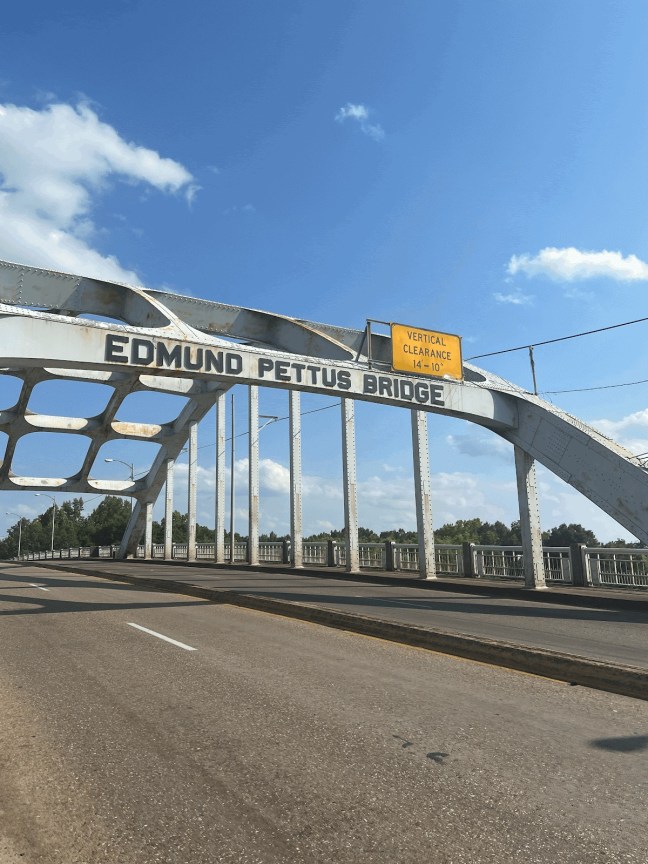
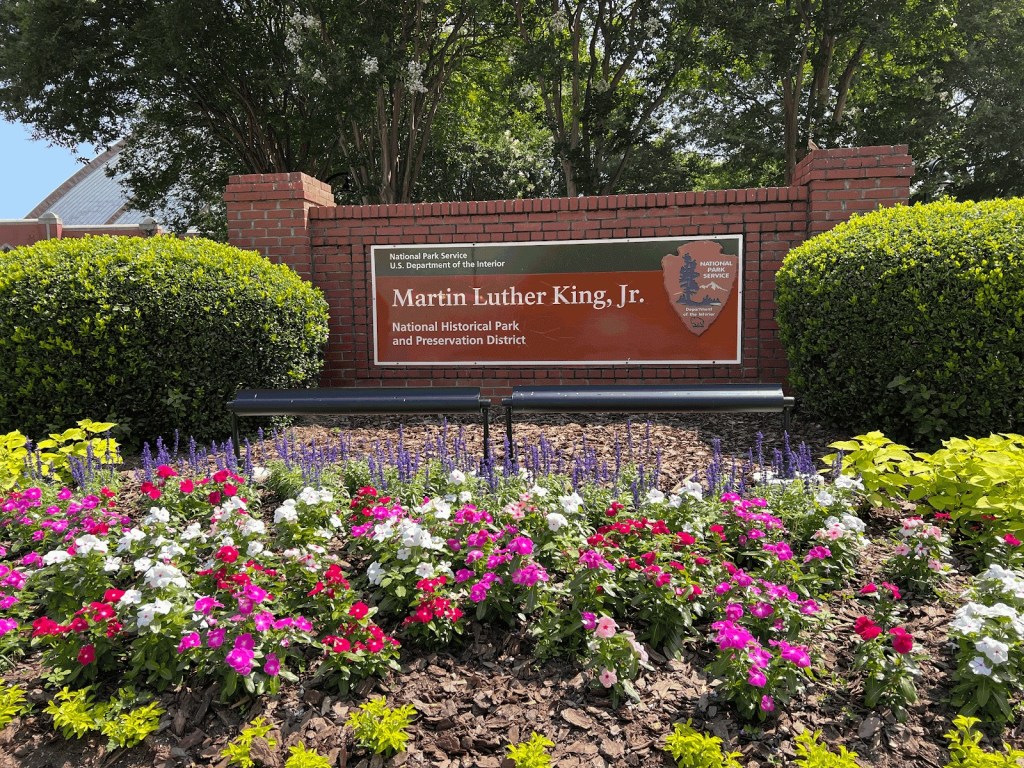
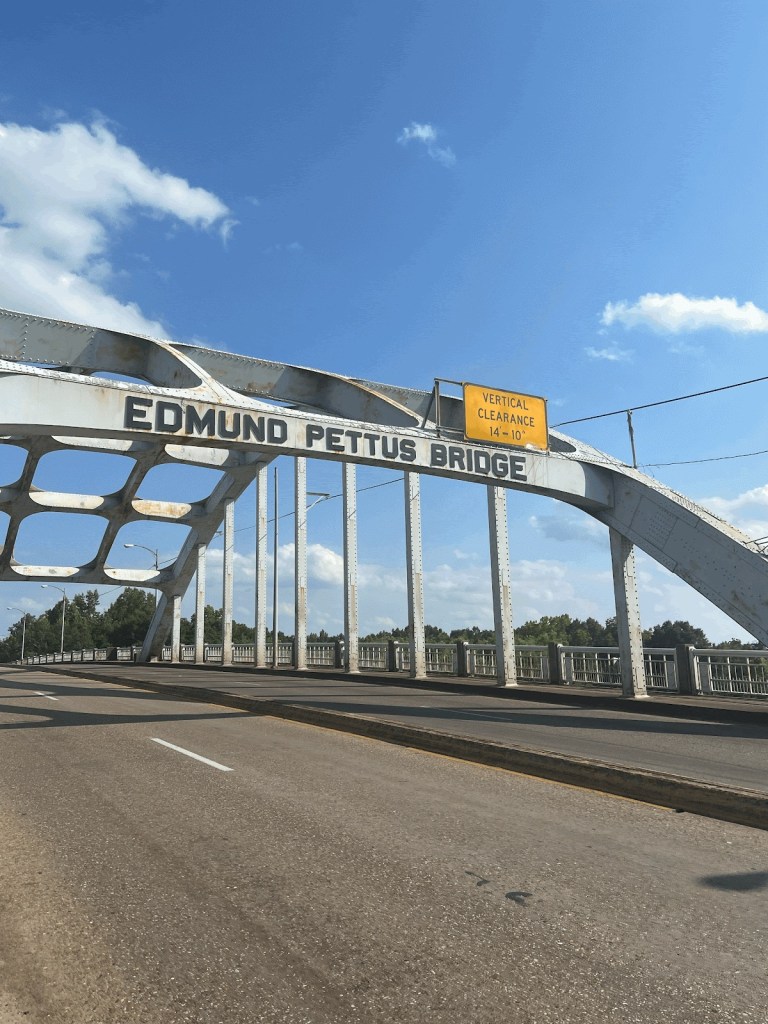
Founded more than twenty-five years ago, the Civil Rights Bus Tour (CRBT) takes participants on a multi-day educational journey through key landmarks of the American Civil Rights Movement. The tour is held annually and departs from Western, PA making stops in the following cities: Greensboro, NC; Atlanta and Albany, GA; Montgomery, Selma, and Birmingham, AL; Jackson, MS; Memphis, TN and Canton, OH. The tour combines immersive learning, storytelling, and reflection to help participants understand not only the events of the past but also their ongoing significance in today’s fight for equality and justice. Dr. Todd Allen is always looking to recruit people in the Harrisburg area to go on his tours, which are offered regularly each year.
Dr. Allen’s passion for civil rights education traces back to his own classroom experiences in the early 1980s. As a ninth grader at Beaver Falls Area Senior High School, he enrolled in an Afro-History course that profoundly changed the way he viewed the world. Growing up in a small town, he assumed all students had access to the same lessons—but in college at Duquesne University, he discovered how rare such instruction was. His own history teacher, Miss Paulette Potter, became both a mentor and lifelong inspiration. “She was the one who convinced me to take my first tour,” Allen recalled. “It’s amazing what you can do when you don’t know what you don’t know.” Years later, Potter joined him on his inaugural trip, telling Allen, “Never in all my years had I imagined one of my own students would take me on a trip like this.”
That experience solidified Allen’s belief in the power of teaching and experiential learning—principles that continue to shape the CRBT today. His academic work in communication and rhetorical studies focuses on public memory and how societies remember and teach the Civil Rights Movement, particularly how regional differences shape what and how students learn about history.
The CRBT is designed for intergenerational participation. Each year, Dr. Allen invites a select group of Harrisburg-area student leaders that are involved in campus clubs or diversity initiatives, alongside educators, community members, and older adults from the Harrisburg region. This mix of ages and backgrounds creates a dynamic exchange of perspectives. For students, the experience provides a living classroom for them to walk where activists marched, to reflect on faith and justice, and to bring those lessons back to their campus and community. For Harrisburg residents and other adults, the tour offers a powerful reminder of the ongoing struggle for equality and the ways local efforts connect to national history. By sharing these stories at home, participants help extend the CRBT’s impact throughout Central Pennsylvania.
Longevity and Lasting Impact
After more than two decades of leading the tour, Dr. Allen has witnessed countless lives transformed by the journey. “I’ve lost track of the number of people whose lives have been touched,” he shared. “This isn’t just African American history—it’s American history. To be in a space to share that with people of all ages, backgrounds, and perspectives is such a blessing.”
One of his favorite stories came from a parent who called him in tears after hearing their child’s account of the trip. Moved by the student’s transformation, the father signed up for the next tour himself. For Dr. Allen, these moments are reminders of why the work matters and provide proof that education, empathy, and faith can cross generations and inspire change.
The CRBT’s success has not come without challenges. Dr. Allen notes that some still “want to stay in a state of denial about our shared history.” He believes the only way forward is to confront the past honestly. “History, when done right, isn’t about making one feel good—it’s the record of our past,” he said. Yet, even as some try to “gloss over or erase” history, Allen findsmotivation in intentional relationships and faith in the next generation. His greatest strength, he says, comes from seeing students and community members commit to learning, understanding, and sharing what they’ve seen.
Dr. Allen often cites the late Congressman John Lewis as a guiding influence, especially Lewis’s call “to make good trouble”. Lewis’s final letter to The New York Times urged younger generations to “lay down the heavy burden of hate” and continue the fight for justice. Dr. Allen echoes this message through his teaching and leadership, reminding participants that “freedom is a constant struggle,” and that the courage and energy of the 1960s can still inspire progress today.
A Legacy in Harrisburg
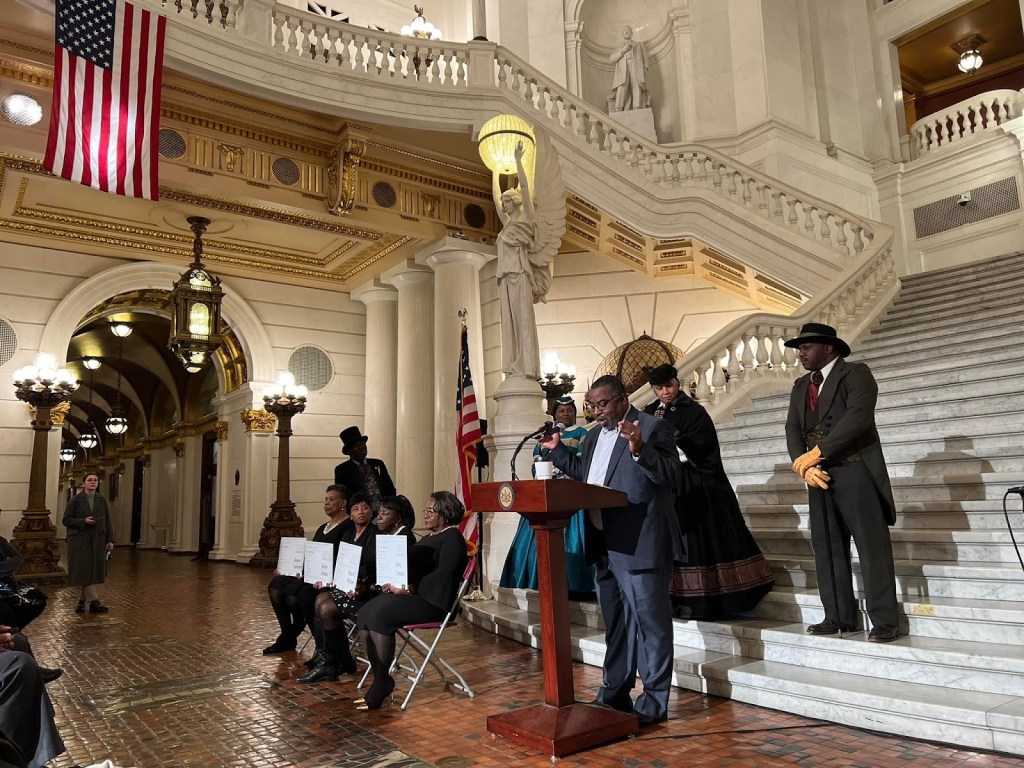
On November 14, 2022, Dr. Todd Allen attended the 157th Grand Review Anniversary at the Capitol, honoring African American patriots of the Civil War alongside community leaders and advocates. The event emphasized education, remembrance, and the importance of building equity and inclusion for a better future.
Through his work with the Civil Rights Bus Tour, his scholarship, and his outreach in Central Pennsylvania, Dr. Todd Allen continues to shape Harrisburg’s civic and cultural landscape. His efforts to collaborate with local ministries, organizations, and educational institutions have fostered dialogue and empathy across communities. “I don’t just work at Messiah University,” he reflected, “but in the communities I’m part of.”
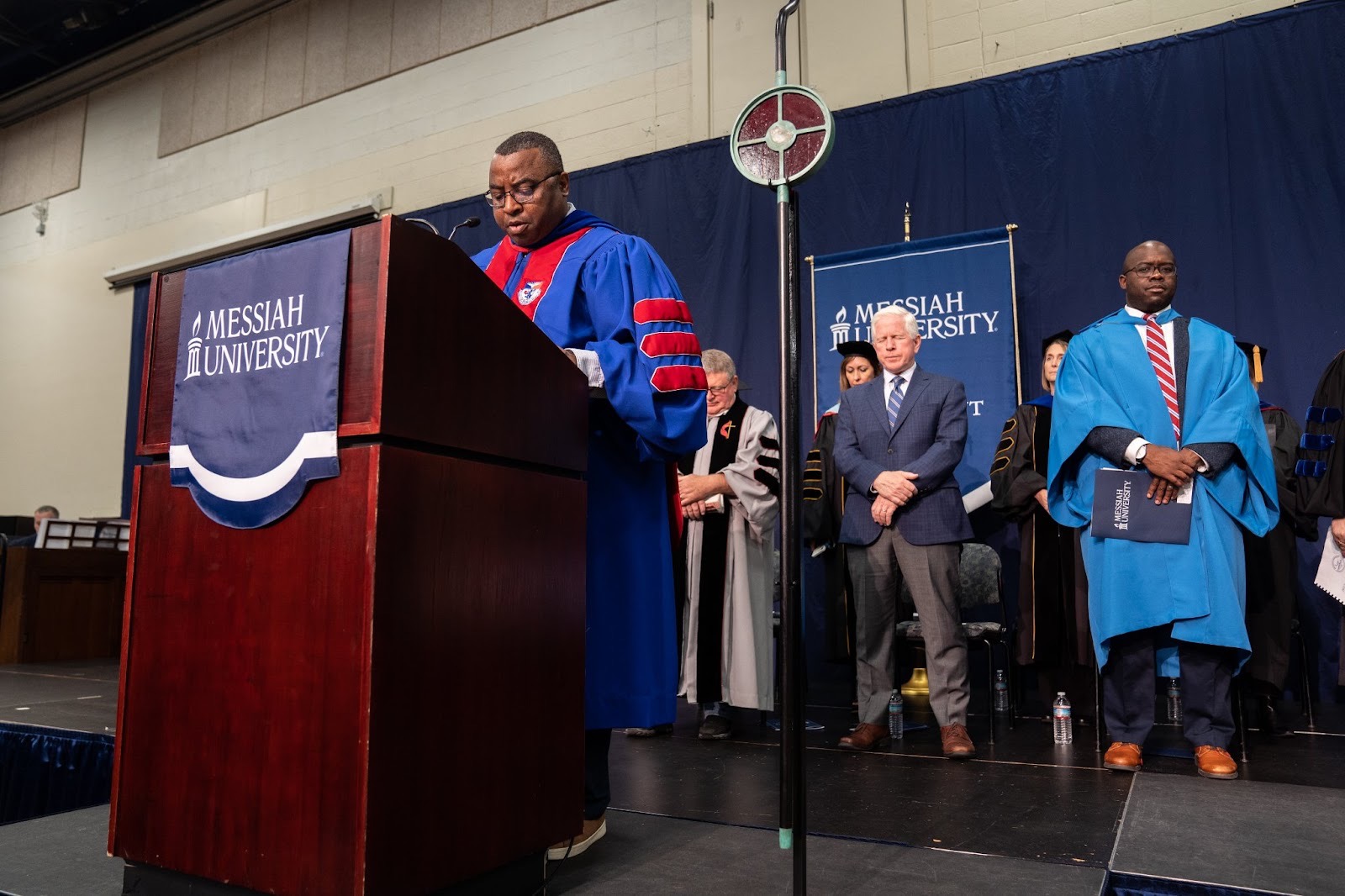
On May 12, 2022, Dr. Todd Allen delivered the undergraduate commencement address at Messiah University. He often speaks at Chapel events and various ceremonies across campus.
As an educator at Messiah University, Todd Allen teaches COMM 360: Rhetoric of the Civil Rights Movement, a course that examines the civil rights struggle of the 1950s–1960s as a complex and multifaceted set of movements rather than a single, unified narrative. His teaching emphasizes public memory, commemorative practices, and the rhetoric surrounding the fight for racial justice both before and during this pivotal period in U.S. history. Through historical analysis and contemporary reflection, the course invites students to explore how these movements continue to shape present-day conversations about justice, civic engagement, and social responsibility. COMM 360 allows students to engage with diverse perspectives and reflect on their own civic identities and commitments to the common good.
The CRBT stands as both a testament to his dedication and a catalyst for collective reflection. By connecting Harrisburg residents to the broader story of America’s ongoing pursuit of justice, Dr. Allen ensures that history is not confined to the past—but lives on in the hearts and actions of those who continue the journey. Todd Allen is an educator and an advocate for all.
This story was researched and authored by Sarah Lee Meeks, a senior undergraduate student at Messiah University, with all interviews conducted by the author.
 Digital Harrisburg