When it comes to the digital world, I try to avoid it. I have an aversion to technology and try to do without it, even at one point deleting social media and buying a flip phone. I have always felt out of place in the digital world. I remember in 2nd grade when we went into the computer lab for the first time, all the other kids knew what they were doing, I did not. We always had a computer growing up, but that was for my parents, not me. Since then, I’ve always felt behind people my own age with technology.
When I found out that I had to take a Digital History class to graduate for my major, I was disappointed. I thought it would be boring and hard. I didn’t even really know what digital history was. For the first couple weeks in class, we just read books about what digital history is and how it works. Then we started doing little labs, such as creating websites using Omeka or WordPress, scanning documents with a CZUR scanner, and doing website reviews. I started learning theories and skills that I use in my daily life and my internship, which was a shocking revelation for me. It would happen randomly to me throughout the day, “I remember hearing about that in one of my digital history books.” But that’s shown me that the class actually is more helpful than I initially thought it would be. Shocking.
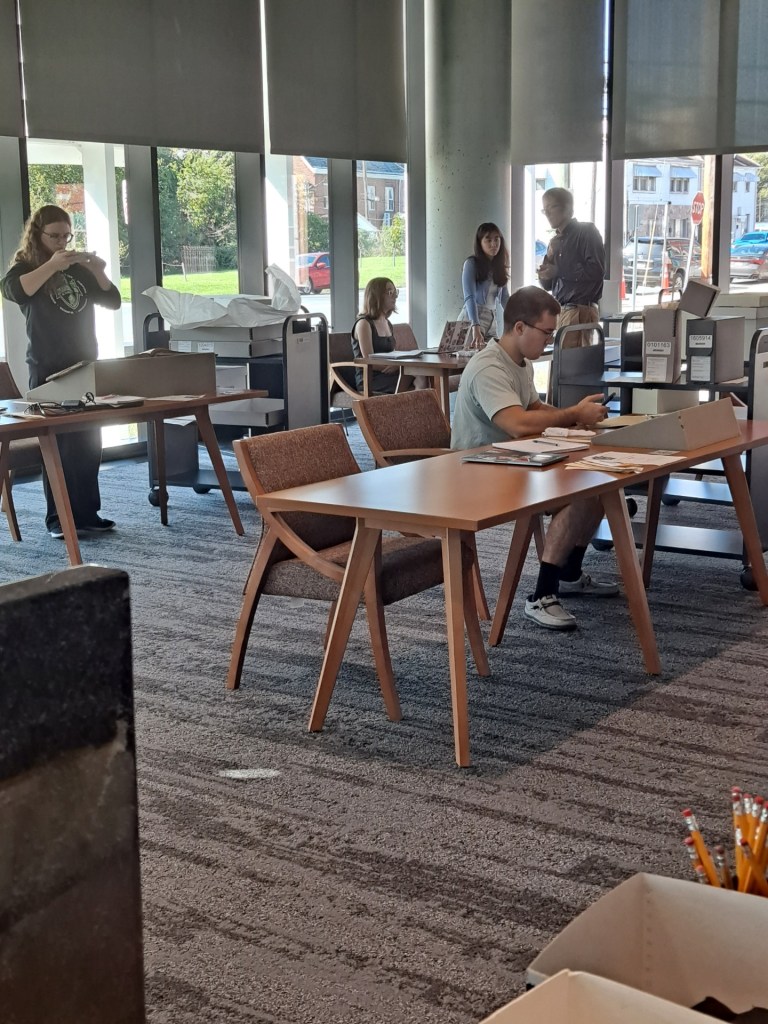
One thing that came to my mind after I started working on some of my projects is a quote from Sheila Brennan and T. Mills Kelly’s essay, “Why Collecting History Online Is Web 1.5 – Roy Rosenzweig Center for History and New Media”. In their article they said, “estimate the amount of staff time you think your project will require and then add 25 percent to that figure.” As I was working on my project, organizing my scans from the archives, cropping the photos, and naming each one, it took a lot of time, a lot more time than I thought it would. When I first saw the assignment, I thought that it would be easy and done in no time. It ended up taking me multiple days to complete. So that was rather eye opening for me.
The topic that I picked for the Pennsylvania State Archives, because we just went through a global pandemic, was Contagious Diseases. In the Dauphin County Archives, I wanted to do something that would help my contagious disease research that I had already conducted. I looked through all their collections and they did not have contagious diseases, so I looked for something that would complement that work. The closest they had was Harrisburg Hospital, which is what I picked.

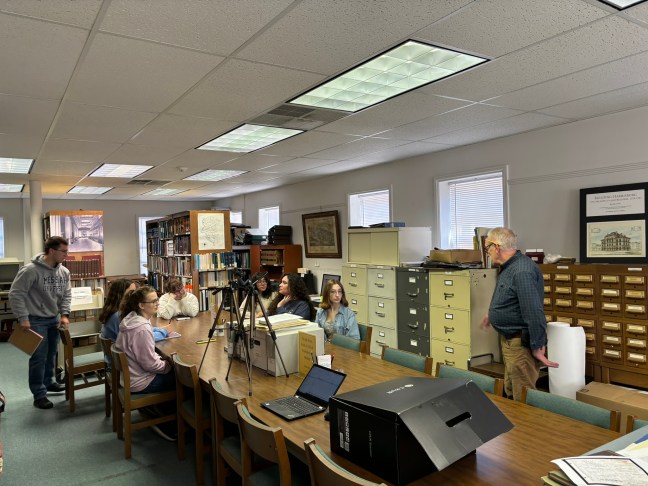
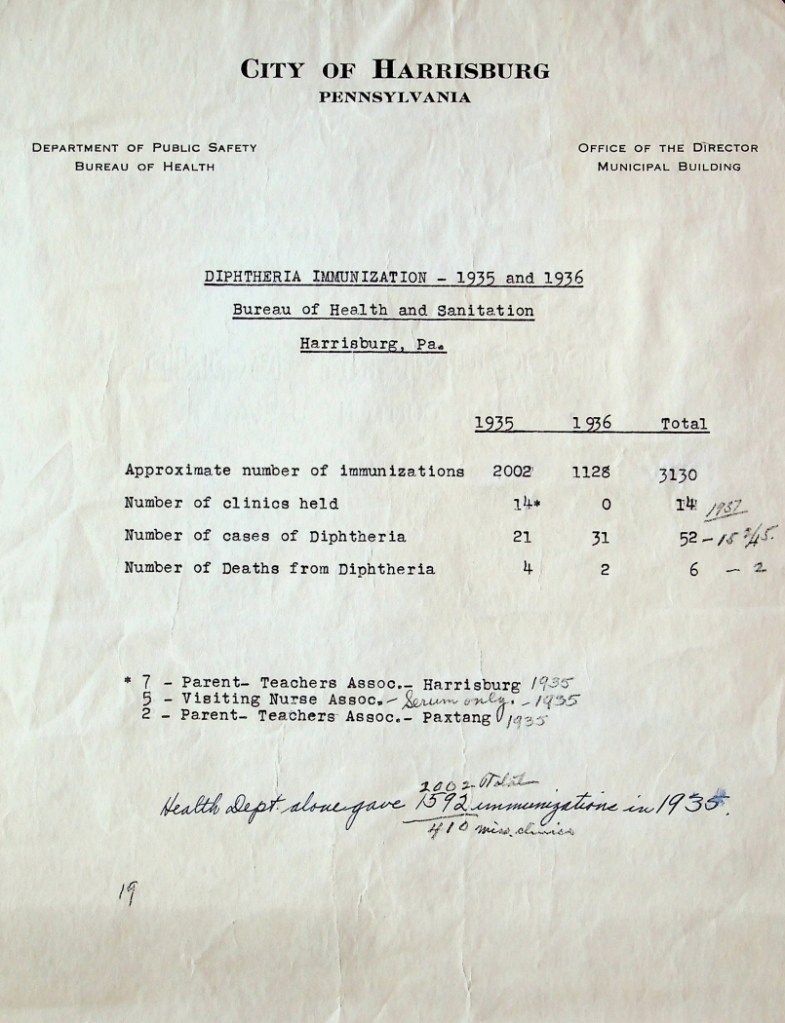
The materials I looked at in each archive were very different from each other. In the state archives, there were these huge books coming from the early 20th century. I mostly just looked at one book that had all the records of people that were sick. It told me their name, what they had, where they lived, their age, how long they were quarantined, and if they died. In the Dauphin County archives, they were little pamphlets from the late 19th century to early 20th century. Here I looked at the annual reports that told me how many cases of contagious illnesses they had throughout the year so I can find a pattern.
I hope to be able to display the different diseases that we have survived in the past and what techniques they used to treat or prevent them. Especially since we just came out of a global pandemic, I am curious to see how people in the past treated diseases that they did not know much about. What kind of diseases were prevalent and deadly. I want to see if there was a certain demographic affected more severely or not and why that is. I want to see what neighborhoods were impacted the most. I think this research will be extremely interesting and I can’t wait to see where it leads me.
Emmy Fogle is a sophomore at Messiah University majoring in Public History and minoring in Art History and Classical, Medieval, and Renaissance Studies.


Continued Success!
Joe Bedard
NAI CIR & CRLC
717.579.6889